Data visualization is the vehicle for crucial data to be presented to the public. The “Bring Back the Bodies” reading points to how good data visualization can uncover injustices and inform the public. The article uncovered how little data there was on women’s childbirth and rates of death, and also how black mothers were at higher risk during childbirth than white mothers. Data literacy is essential for public understanding of such issues. The Dubois chapter touches on how data visualization can be specific for specific cultural topics, like how current day data visualization of the Harlem Renaissance refers back to visualizations in 19th century that connect to slavery. He also discusses how good design can be used to communicate beyond cultural barriers, specifically in how he conveyed American racial data to a European audience. Data literacy facilitates understanding connections between issues, importance of new data, and provides a method of universal communication through design with people different from you.
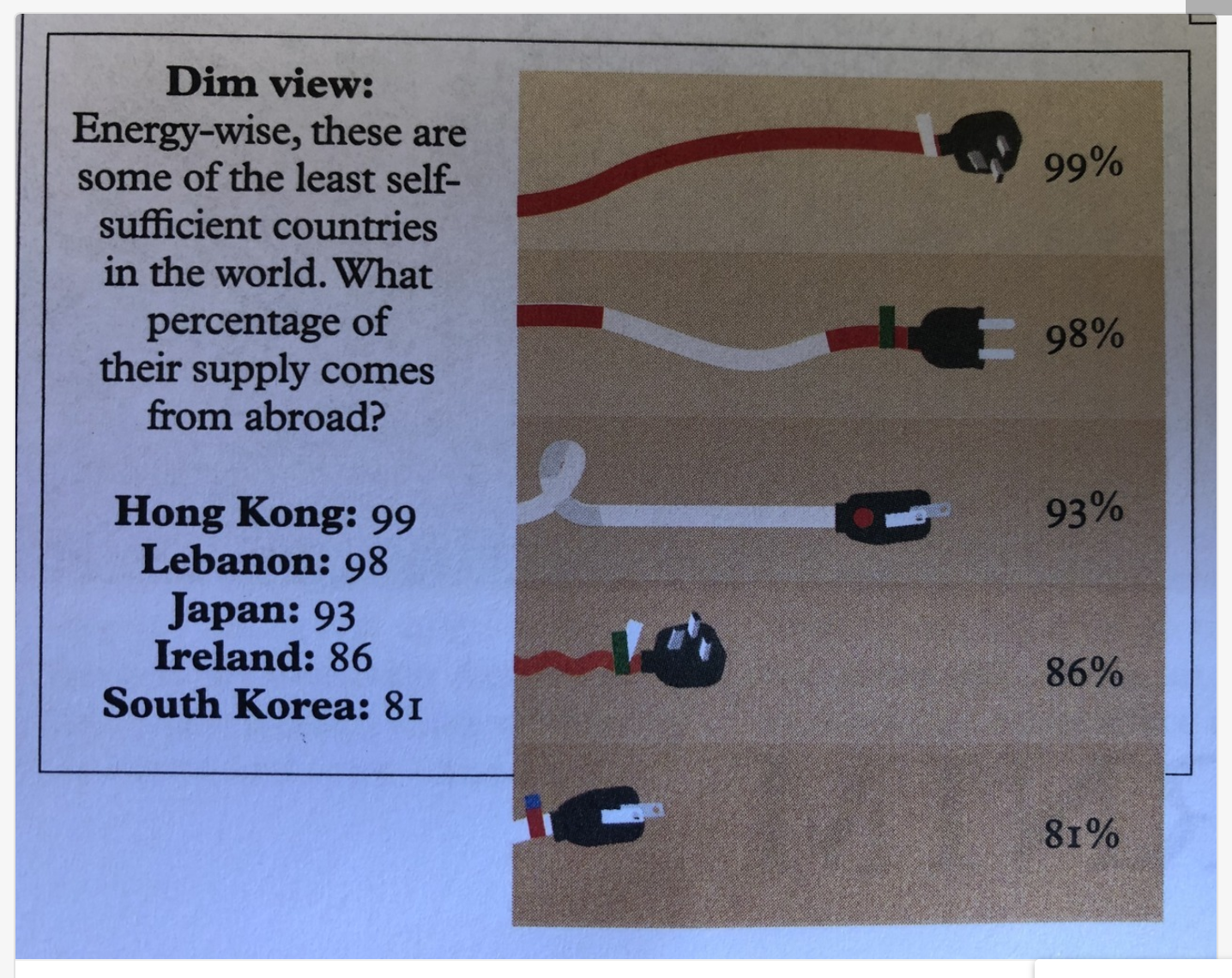
Even if one has good data literacy skills, sometimes a poorly created graphic can make data impossible to understand. For example, this visualization attempts to compare what percentage of these countries’ energy comes from abroad. Poor size representation skews the information – – the 81% chord is a fraction of the size of the 99% chord.
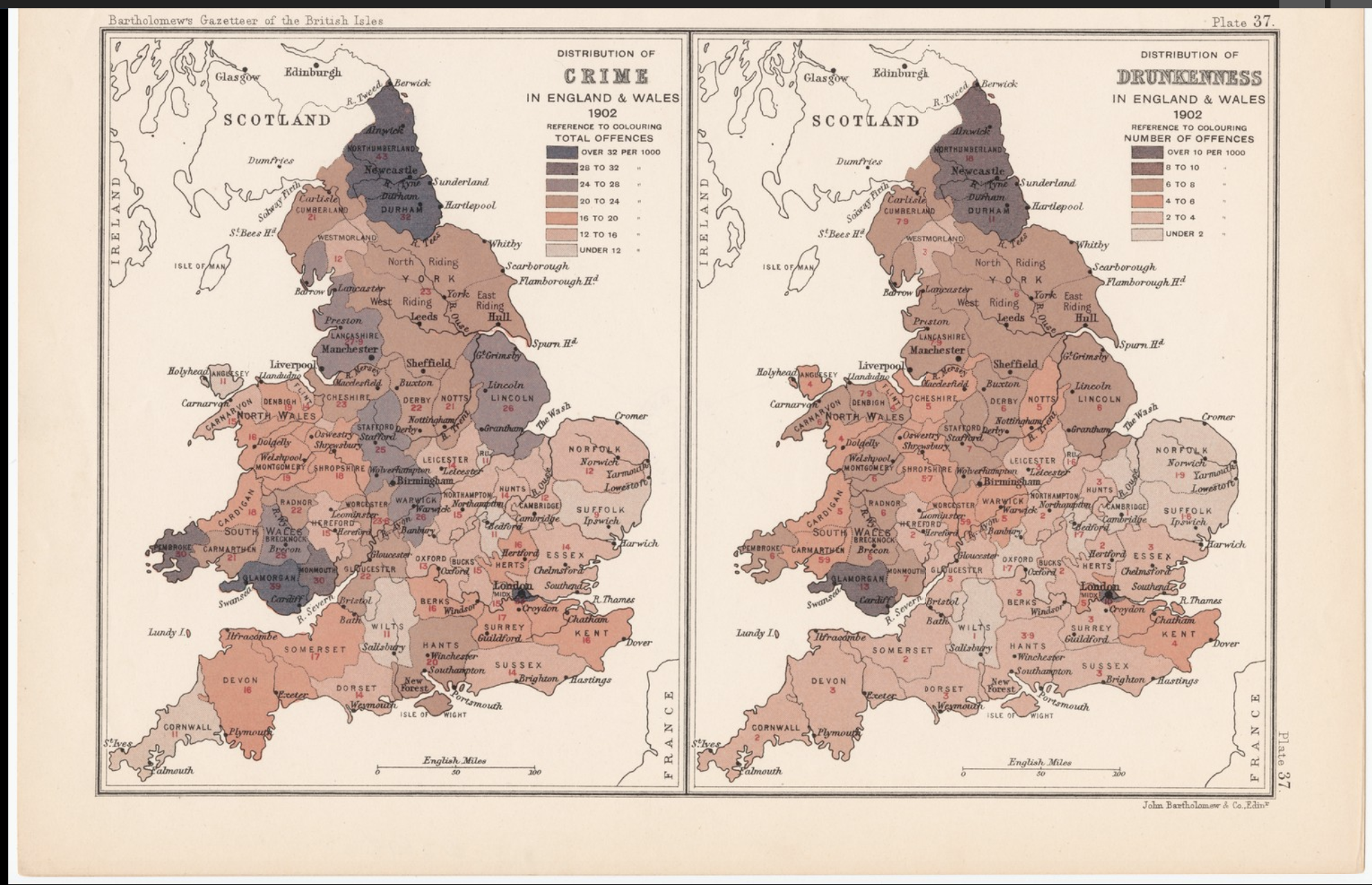
On the other hand, here is an example of data visualization done well. This graphic compares the total offenses (per 1000) of drunkenness versus crime in England and Wales. It has a clear key that explains which colors correlate to the amount of offenses and the presentation of the maps side by side conveys the comparison well.